

The first time someone buys a piece of male nude art, there is usually a moment of hesitation that has nothing to do with whether they love the work. They love it. The hesitation is about everything else. Whether it is the right price, the right artist, the right time. This post is about cutting through that noise and collecting with more confidence from the start.
The Male Figure Has Always Been Worth Collecting
Before we get into the practical side, it helps to remember that male nude art has one of the longest collecting histories of any subject in Western art. Academic painters of the eighteenth and nineteenth centuries built entire careers on the male figure as a subject. Johan Gørbitz, a Norwegian painter working in the early 1800s, produced male nude studies that now sit in the Norwegian National Museum. These were serious works made for serious collectors. That tradition of collecting the male figure did not disappear. It just moved, and contemporary artists are carrying it forward.

Five Things Worth Knowing Before You Buy
Here is what I wish someone had told me when I was first thinking about collecting:
- Buy the work that stops you, not the work you think you should own. If a piece makes you pause mid-scroll, that is the one.
- Look at the full body of work before committing to one piece. An artist with a consistent voice across many works is a stronger bet than someone with one impressive piece.
- Edition size matters. A print in an edition of ten is a different thing than a print in an edition of two hundred. Smaller editions hold more value over time.
- Paper and archival quality matter more than most people expect. Ask about materials before you buy. Work on archival paper with archival inks lasts decades. Work that is not will fade.
- Trust what the art does in the room. If you can live with an image in your mind for a week and it still feels right, it belongs on your wall.
Look at the Body of Work, Not Just One Piece
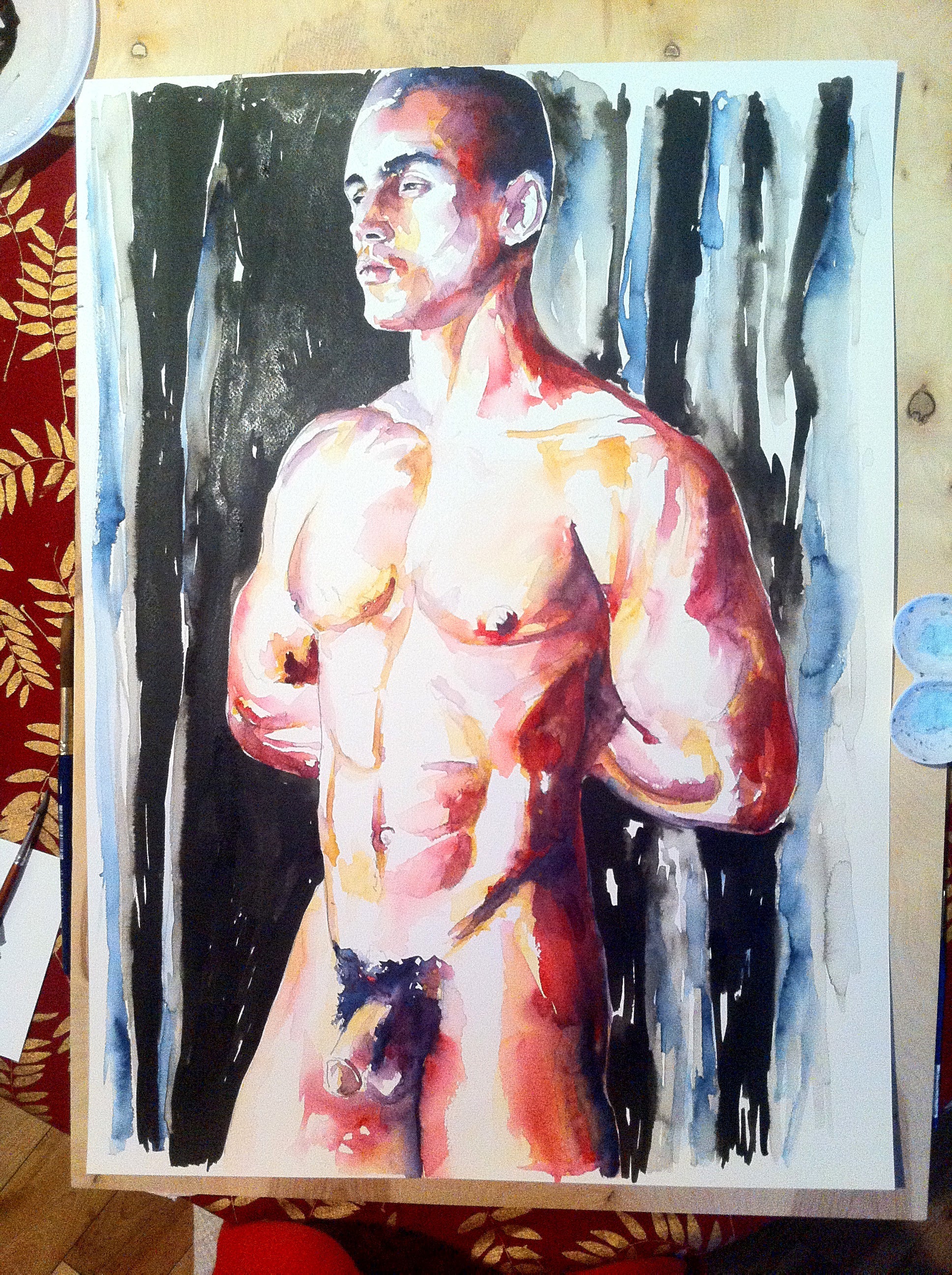
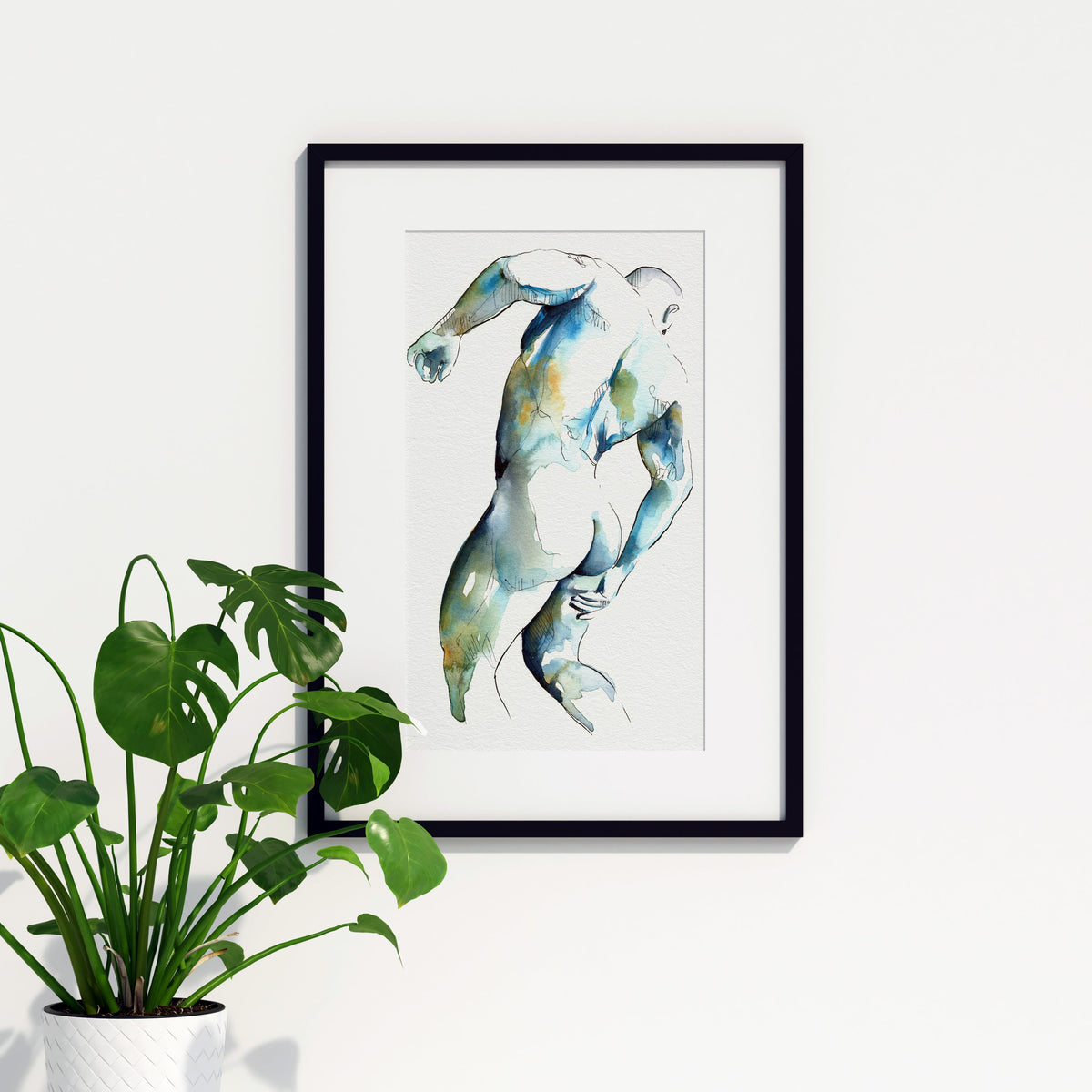
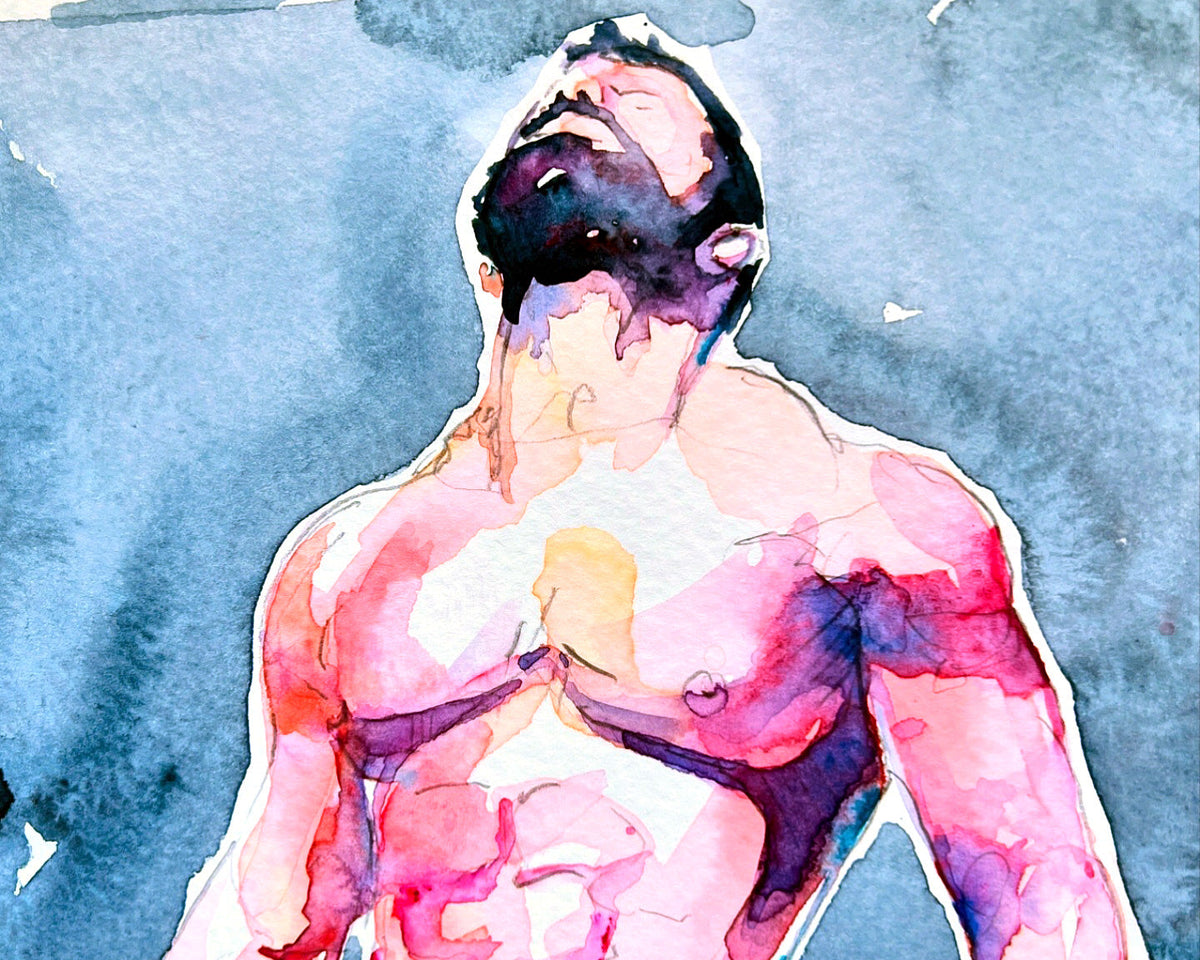
One of the most reliable ways to assess an emerging artist is to spend time with their full output rather than fixating on a single piece. An artist who has been working seriously in one subject for years will show you something in the range of their work that a single image cannot. The way a figure is handled changes across media and scale. My ink and line prints read very differently from my watercolor work, but they come from the same place. Seeing both tells you more about what you are collecting than either one alone.
Consistency of vision across a body of work is a sign of an artist who knows what they are doing. That matters for your collection and it matters for long-term value.

Edition Size and Paper Quality Matter More Than You Think
Emerging artists sometimes under-communicate this and buyers sometimes forget to ask. A limited edition print on archival cotton rag paper is a fundamentally different object than an open edition print on standard photo paper. Both might look similar in a photograph. In person, and over time, they are not the same thing at all.
My prints are produced in limited editions on archival paper, which means the edition closes and the print becomes part of a finite body of work. The on book pages series takes this further, with each piece printed on antique book pages, making every print one of a kind by definition. That kind of material specificity is worth paying attention to when you collect.

Buying Male Nude Art with Confidence
The hesitation most first-time buyers feel around male nude art is worth naming directly. Some of it is about the subject. Some of it is about not knowing the rules. There are no rules. The male figure has been central to fine art for thousands of years and it belongs in a modern collection for the same reason it always has. It is one of the most studied, most human subjects an artist can work with.
If you want to think through how that work lives in your home, the post on male nude art belongs in every modern home covers the practical side of displaying and living with figure work. And when you are ready to start looking, the full range of available work is waiting.
Share:
2 Famous Male Torsos That Defined the Masculine Ideal in Art
The Male Torso in Art: A Cross-Cultural History