



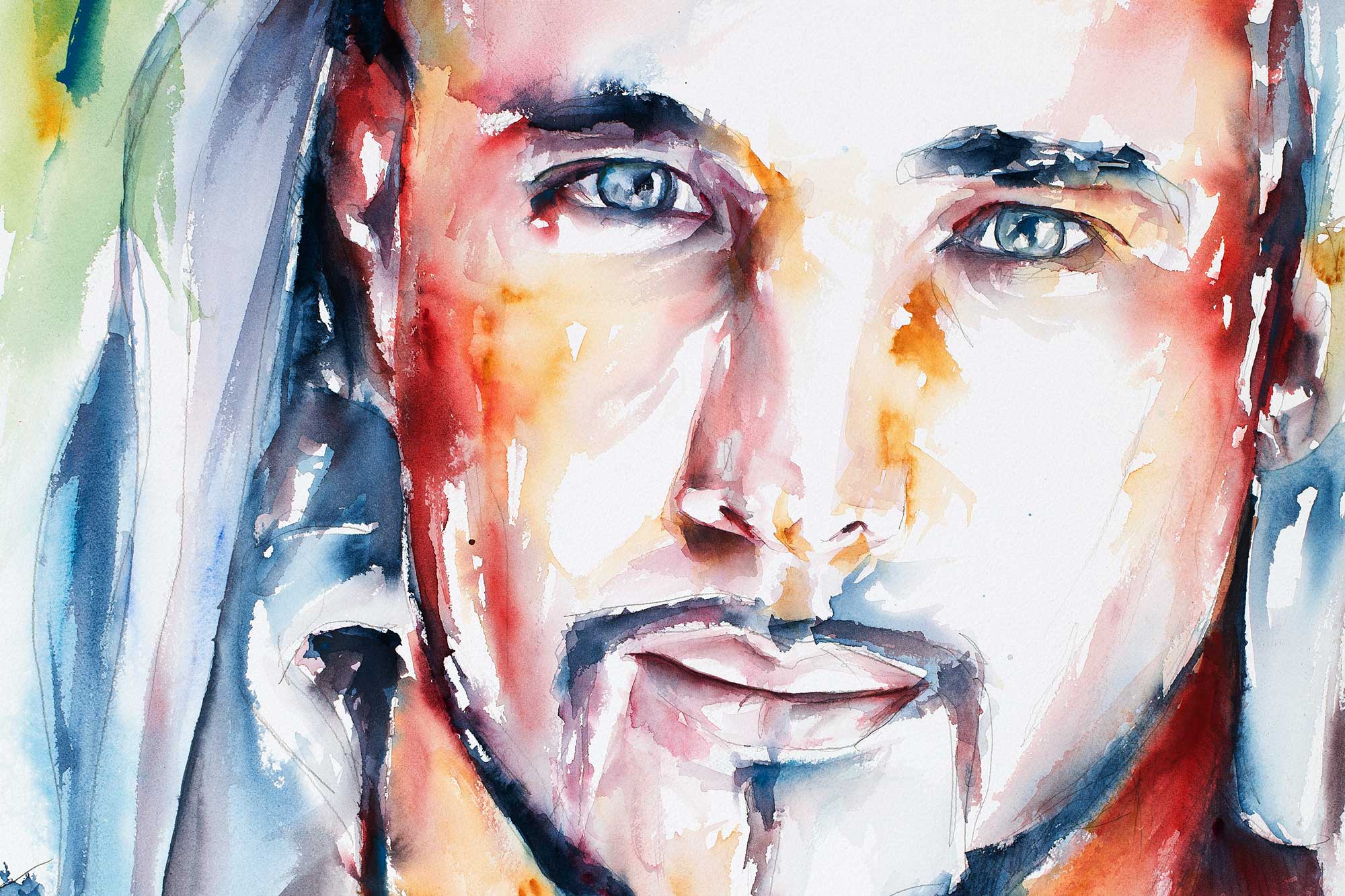
We talk about the male gaze in art as if it only ever pointed one direction. A male artist. A female subject. A viewer assumed to be male. That's the version of the story most people learn.
But what happens when the subject is male? What does the gaze do then? And who exactly is doing the looking?
The answer is more complicated than it seems. And honestly, more interesting.
What Is the Male Gaze in Art History?
The concept of the male gaze was introduced by film theorist Laura Mulvey in 1975 to describe the way visual culture positions women as objects for a presumed male viewer. In art history the idea extends back much further. For centuries the female nude dominated Western painting precisely because it was made by men, for men, within institutions run by men.
But the male nude existed alongside it the whole time. Quieter. More complicated. Carrying a different kind of weight.

When the Subject Is Male
Historically male nudes in art were created by men for men but the intention was rarely desire — at least not officially. The male body represented strength, virtue, moral greatness. Think of Michelangelo's David. The calm before the fight. The body as symbol of human potential rather than object of longing.
But desire was there. It just had to hide.
Artists like Flandrin and Ingres worked within strict academic boundaries and still managed to infuse their male subjects with something tender and quietly sensual. Their figures appear introspective, vulnerable, caught in private moments. They toe the line between beauty and longing in ways that the institutional framing of "classical study" conveniently obscured.
The male nude in Western art has always carried this double life:
- officially a study of form, anatomy, and classical ideals
- unofficially a space where desire, intimacy, and queer looking quietly lived
The Shift Toward Honesty
By the twentieth century that line started to break down. Artists stopped pretending the gaze was neutral.
Robert Mapplethorpe didn't just acknowledge the gaze — he stared right back. His photographs of male nudes, particularly Black and queer male bodies, were raw, proud, and entirely self-aware. They didn't ask permission to be beautiful. They didn't soften themselves for a mainstream audience. They looked directly at the viewer and asked: whose gaze is this, really?
That question changed everything.

Rethinking Who Gets to Look
Contemporary artists and scholars are turning the concept of the male gaze inside out. Queer perspectives, feminist critique, and personal narratives are reshaping how we see and portray male bodies. The Tate Modern describes the male gaze as a way of representing and addressing women in visual culture that shows them from a masculine perspective. But as more artists claim their own gaze — queer artists, artists of color, women painters of the male figure — the whole framework starts to shift.
Vulnerability is no longer weakness. Softness is no longer subversion. The male nude isn't just a subject anymore. It's a dialogue.
Where I Stand in This Conversation
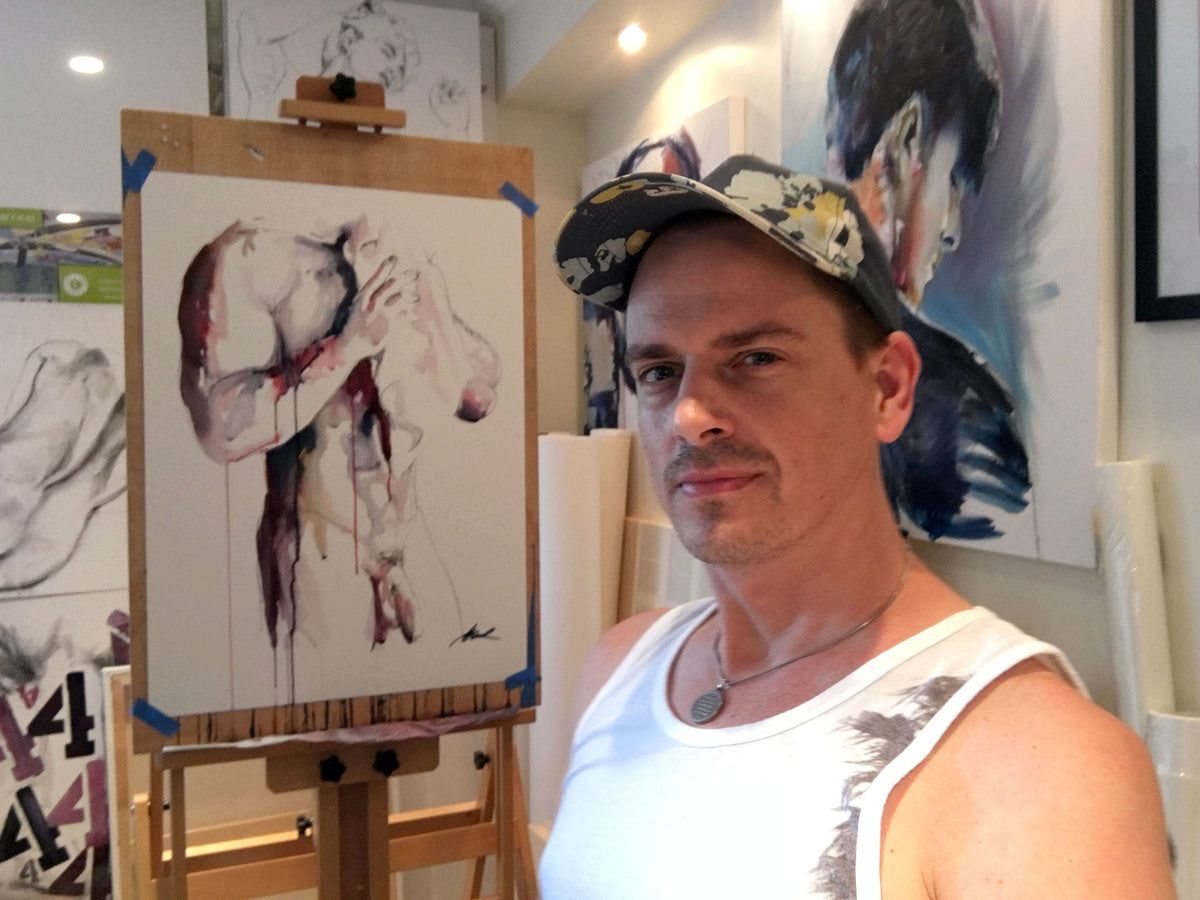
I've been painting the male figure for over two decades and the question of the gaze has never been simple for me either.
When I paint a man I'm aware of everything that image carries. The history of who has painted this subject before me. The assumptions viewers bring to it. The way some people see beauty and others see provocation in exactly the same painting.
What I'm reaching for is something different from both the clinical academic tradition and the charged political statement. I want the figure to simply be present. Seen without being reduced. Beautiful without being objectified. Human without being heroic.
That's a harder thing to achieve than it sounds. But it's the thing worth chasing.
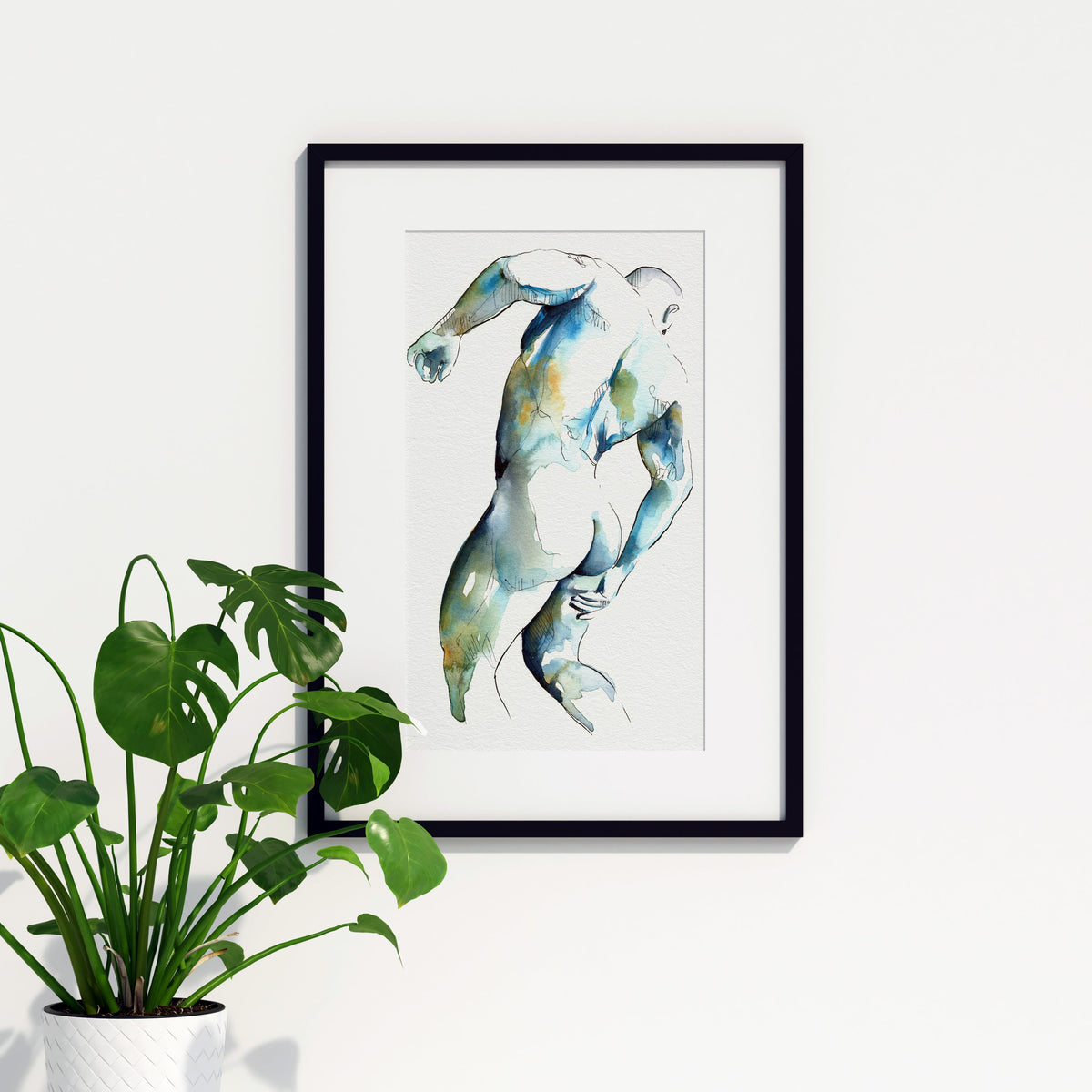
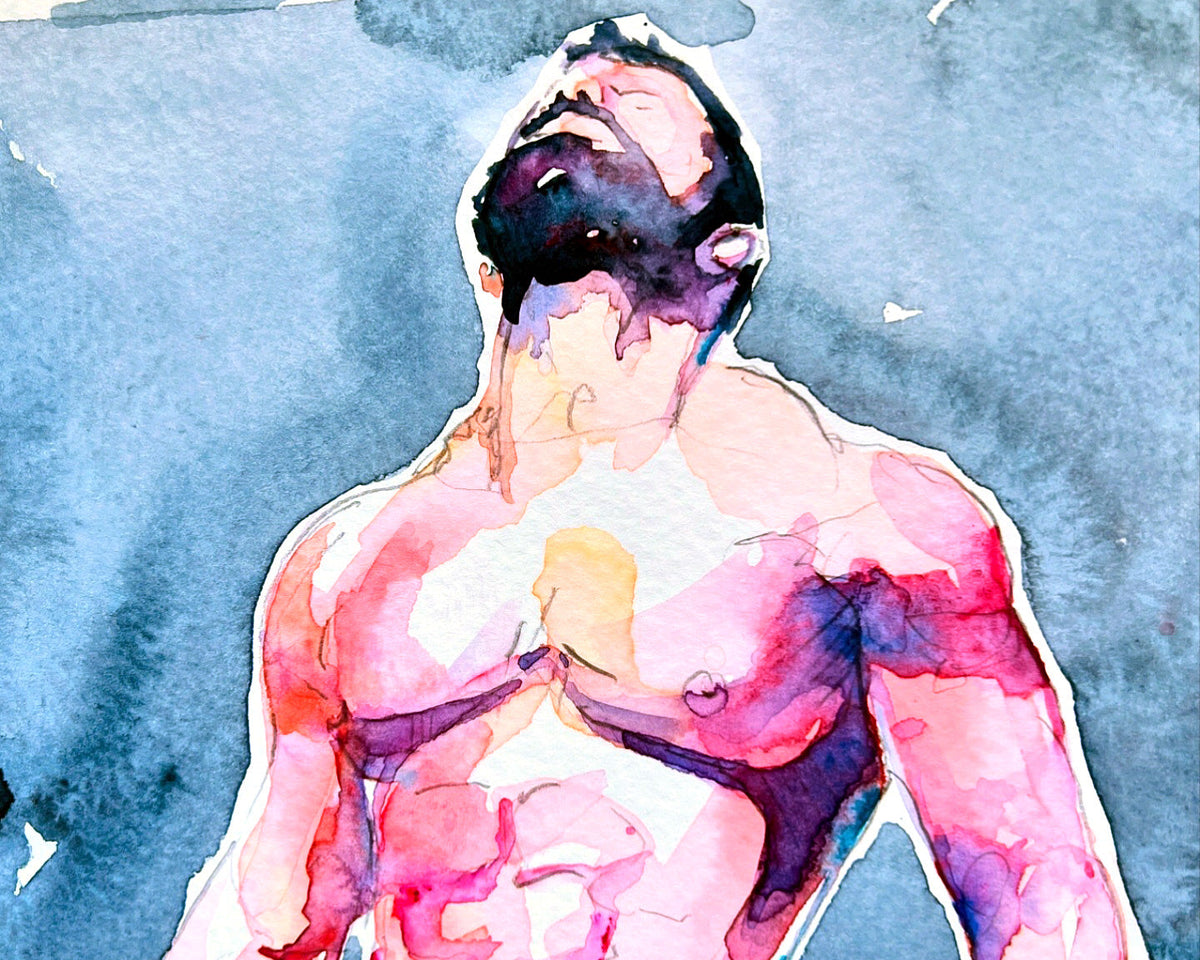
If you want to see what that looks like in practice, explore my male figure art prints and original paintings. And if you want to go deeper into the history of how the male nude has been seen and painted, my posts on 11 male nude paintings that made art history and 12 famous male nude paintings that changed art forever are good places to continue the conversation.
Share:
Renaissance Male Nude Art: Pollaiuolo and the Drama of Anatomy
Why I Keep Coming Back to the Male Figure