



Sizing is the thing people get wrong most often when buying an art print. Not because they have bad taste. Usually because they go too small. A print that looks substantial on a screen can disappear on a wall, especially in a room with high ceilings or a lot of furniture. Getting the scale right before you buy saves a lot of frustration and makes the difference between a piece that commands a room and one that quietly gets ignored.
Here is how to think about it.
Measure the Wall First, Always
Before you look at a single print, get a tape measure and note the width and height of the wall you are working with. Then figure out how much of that wall you actually want the art to occupy. A general rule that holds up well in most rooms is that artwork should cover roughly fifty to seventy percent of the wall width above a piece of furniture, or stand on its own as a focal point on an empty wall.
Knowing your standard print sizes before you shop helps too. Most prints come in a fairly consistent range and knowing what those dimensions actually look like in a space saves you from guessing.
Small Prints and What They Do Well
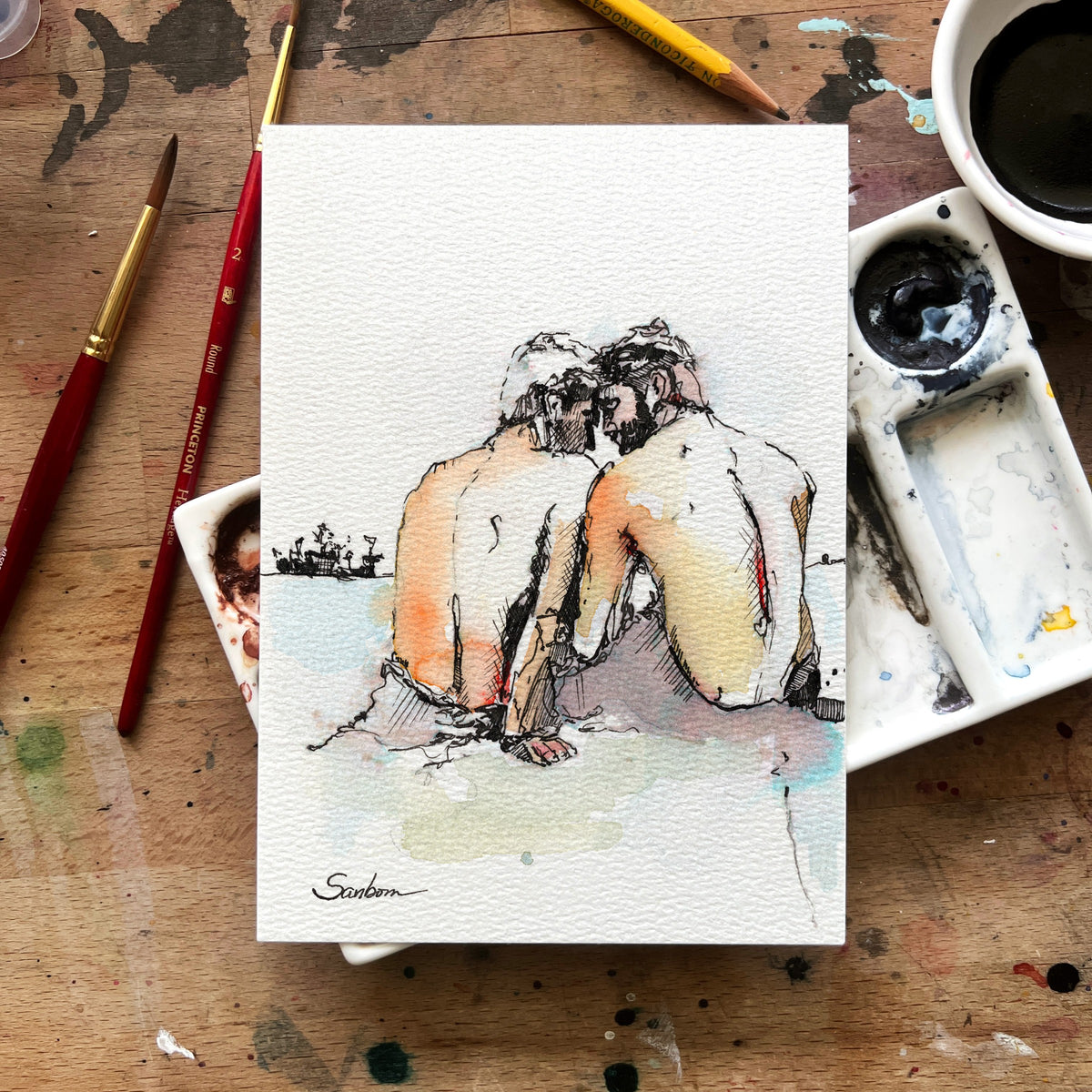
Smaller prints get dismissed too quickly. A carefully chosen small piece in a simple frame with a generous mat does something a large print cannot. It pulls you in. It rewards a closer look. Small prints work especially well in tight spaces like hallways, bathrooms, or reading corners where the viewer is naturally close to the wall. They also work beautifully in groupings, where several pieces together create a conversation that a single large print cannot have alone.
My square prints sit comfortably in this category. The square format has a quiet, contained feeling that reads well in smaller frames and holds its own without needing extra scale to feel complete.

Larger Prints and When They Work
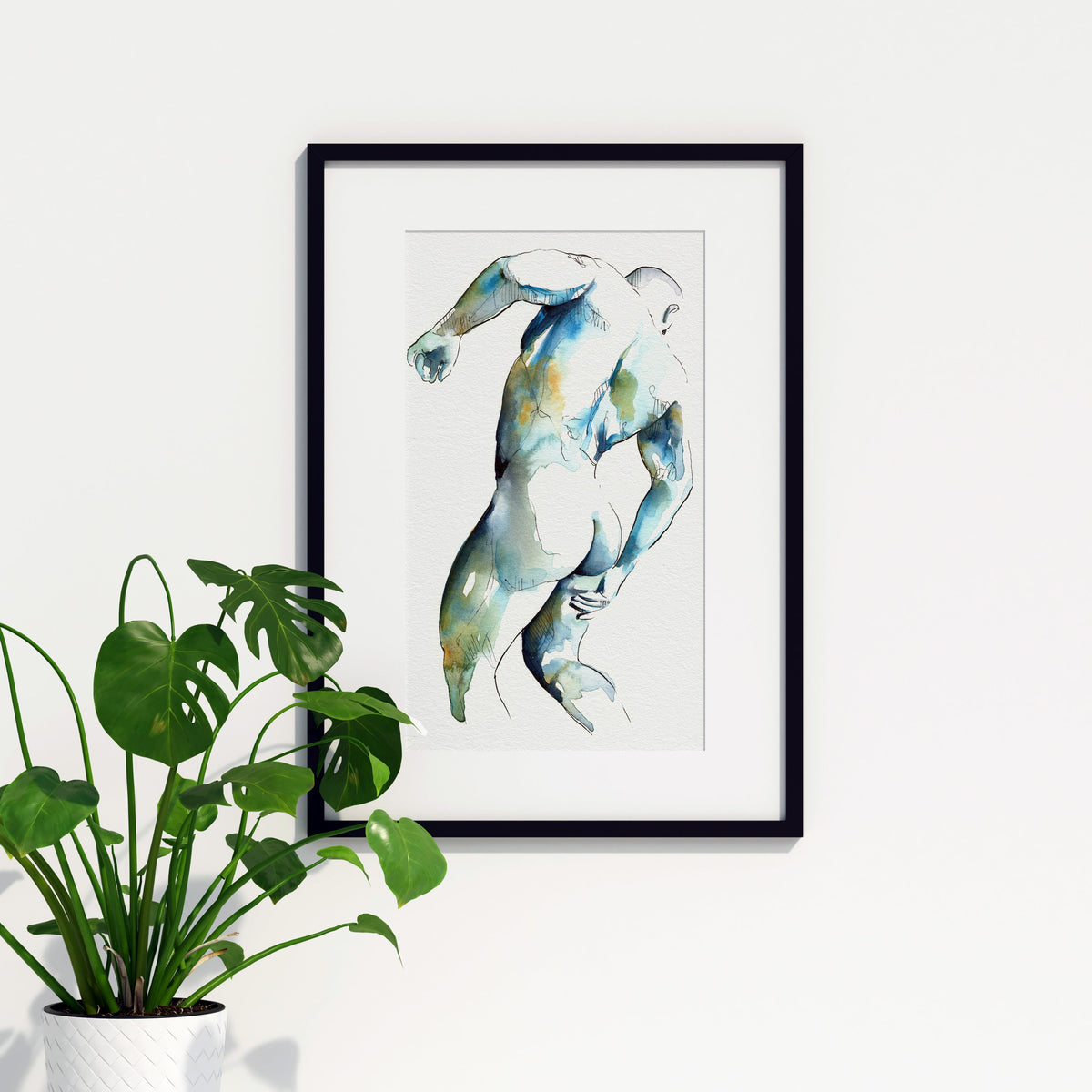
A larger print earns its place when the room can hold it. Open walls, high ceilings, minimal furniture, these are the conditions where a bigger piece stops being a risk and starts being the whole point of the room. Above a sofa or bed, a wider horizontal print anchors the furniture beneath it in a way that smaller work simply cannot replicate.
The key is that larger prints need breathing room. A big piece crowded by other objects or hung too close to a ceiling loses its power fast. Give it space and it does the work for you. Browsing the collector favorites is a good way to see which pieces have that kind of presence across different sizes.

The Tape Test
Before committing to a size, cut pieces of paper or painter's tape to the exact dimensions of the print you are considering and stick them to the wall. Live with it for a day. Walk past it. Sit across from it. See how it reads from the doorway. This costs nothing and prevents the most common sizing mistake, which is buying something and realizing only after it arrives that it is too small for the space you had in mind.
A Few Things Worth Knowing Before You Order
Here is a quick checklist for getting the size right before you buy:
- Measure the wall width and note fifty to seventy percent of that as your target art width
- Consider the viewing distance. Hallways call for smaller work. Living rooms can hold larger pieces.
- Factor in the frame. A generous mat and frame can add four to six inches on each side.
- Think about the furniture beneath the art. The print should be narrower than the furniture it hangs above.
- When in doubt, go one size larger than feels comfortable. It is almost always the right call.
For more on placement and display, the post on how to display male figure art in a modern home covers a lot of this ground in more detail, including groupings and framing choices that change how scale reads in a room.
Getting the size right is one of those things that sounds technical but mostly comes down to measuring twice and trusting your instincts once you have the tape measure in your hand.

Share:
The Male Figure in Watercolor: Why the Medium Changes Everything
Why Original Art Makes the Best Holiday Gift